The Opportunity
Transforming K-12 Education with Secure, Cost-Effective AI
A leading nationwide school operator, serving over 150 schools, aimed to be the vanguard of AI integration in K-12 education. To successfully execute this mandate and empower their thousands of educators, they required a secure, compliant, and scalable platform that could replace disparate, risky, and expensive public AI solutions with a single, unified enterprise tool.
Key Challenges:
Compliance and Security Risk: Uncontrolled use of public AI tools by staff created a critical risk of student data exposure, threatening FERPA compliance and demanding a private, secure environment for all AI interactions.
Unpredictable & Unsustainable Costs: Existing commercial AI pilots were token-based and prohibitively expensive, lacking the fixed, flat-cost model essential for a fiscally responsible, system-wide rollout.
Governance and Visibility Gap: Administrative leadership lacked insight into AI usage across the system, creating governance gaps and preventing effective allocation of training and resources.
Low Adoption Due to Lack of Training: The absence of a centralized, structured training program resulted in inconsistent utilization, failing to realize AI's full potential among teachers and administrative staff.
The Process
Step 1: Discovery & Scoping
Identified core goals, user needs, existing platform usage, security risks, cost concerns, training gaps, and lack of administrative visibility across 150+ schools.
Step 2: Solution Proposal & Approval
Proposed and secured approval for EduChat, a Ferpa-compliant chat platform with unified AI model access, token-based pricing, Azure cloud deployment, and comprehensive training programs using train-the-trainer methodology.
Step 3: Platform Build & Training Development
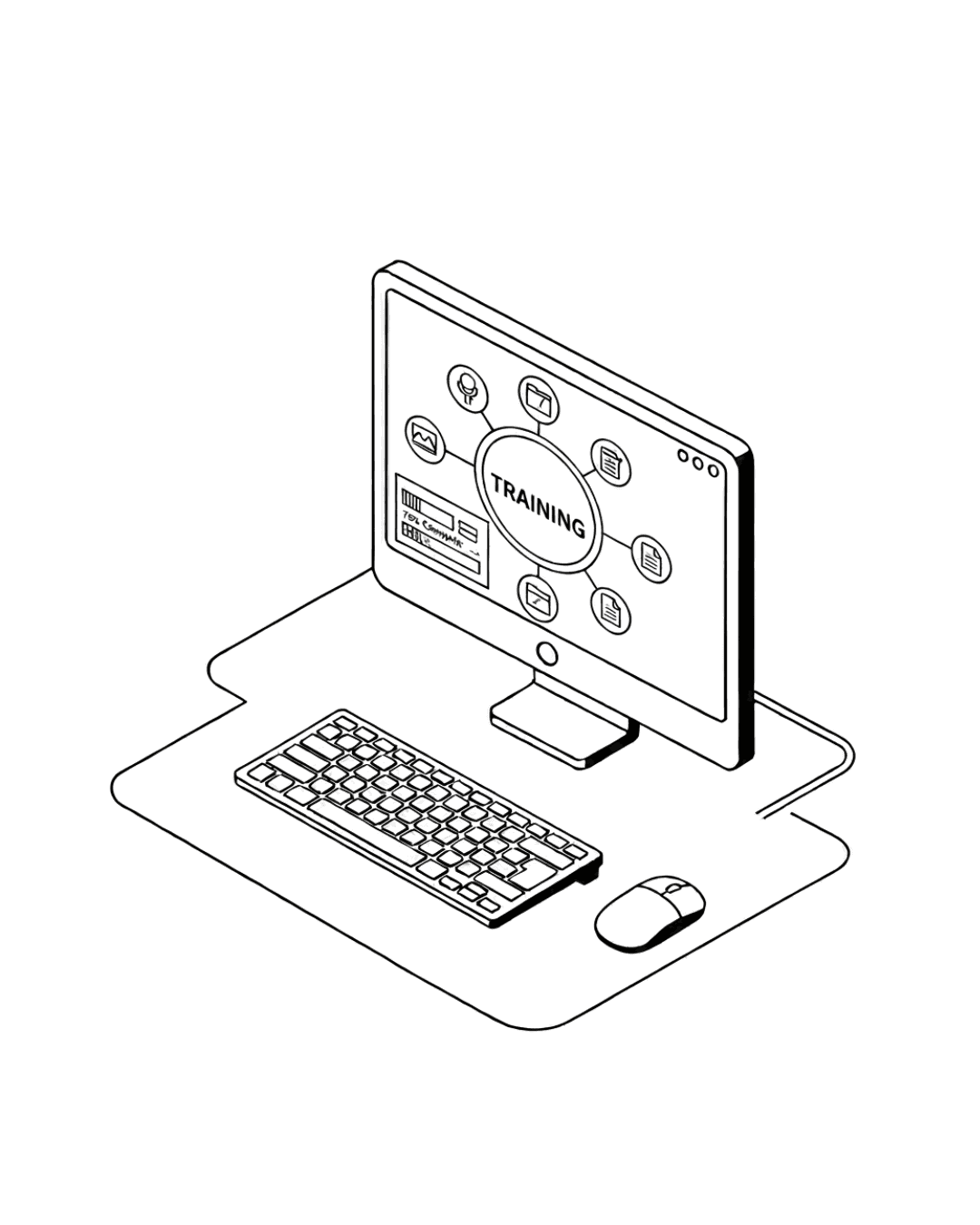
Established Azure cloud infrastructure, deployed unified chat interface on client domain, and developed structured training programs for teachers, administrative staff, and support staff with shared resources.
Step 4: Phased Deployment & Training Execution
Executed staged rollout: 1 pilot → 5 pilots → 10 pilots → full launch across all schools within 3 months. Delivered train-the-trainer program, achieving 2,000+ active users within first 30 days.
Step 5: Monitoring & Continuous Optimization
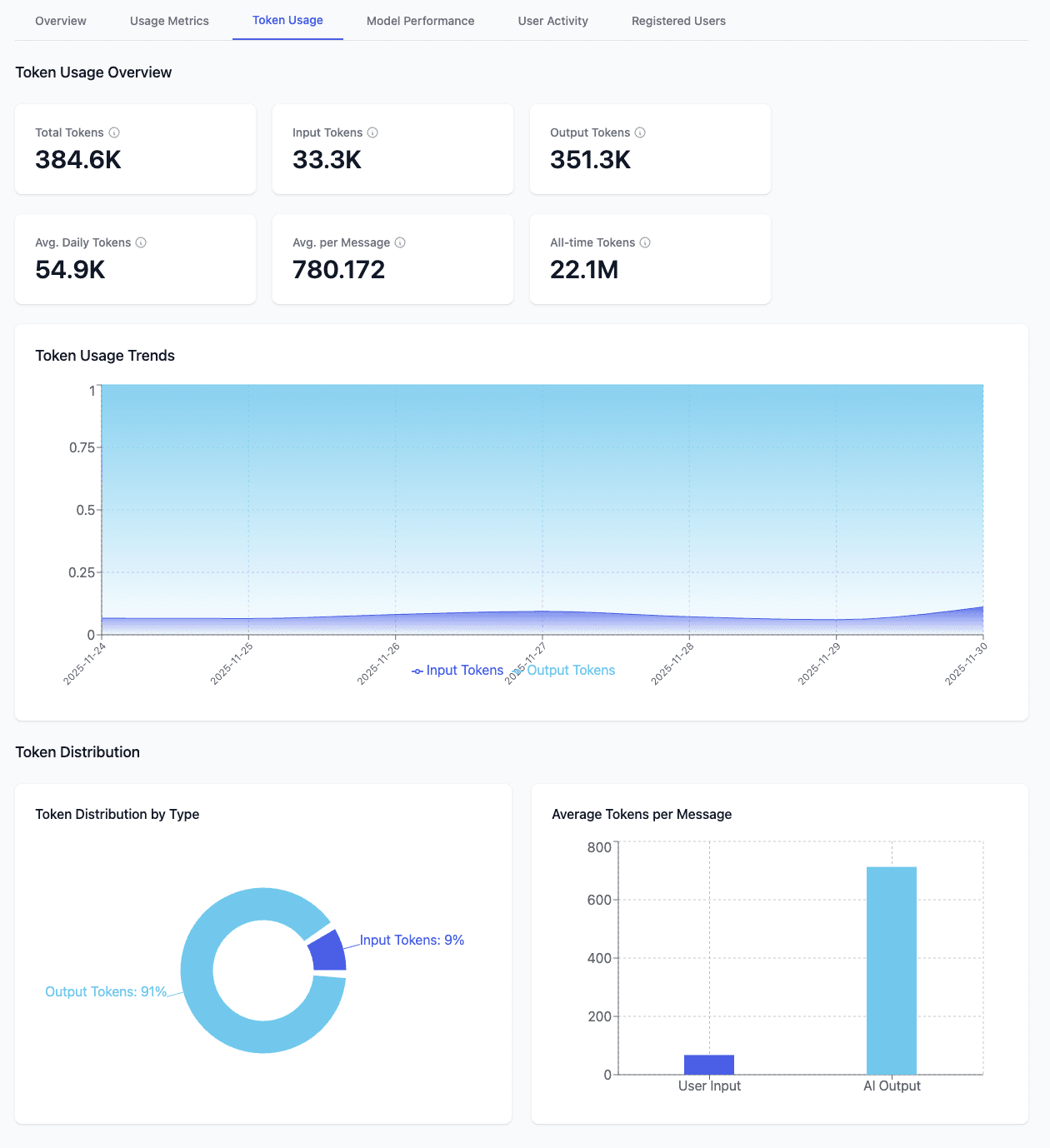
Implemented usage dashboard for adoption tracking and audit traceability. Provided continuous feature enhancements, new integrations, and ongoing performance monitoring.
The Opportunity
Transforming K-12 Education with Secure, Cost-Effective AI
A leading nationwide school operator, serving over 150 schools, aimed to be the vanguard of AI integration in K-12 education. To successfully execute this mandate and empower their thousands of educators, they required a secure, compliant, and scalable platform that could replace disparate, risky, and expensive public AI solutions with a single, unified enterprise tool.
Key Challenges:
Compliance and Security Risk: Uncontrolled use of public AI tools by staff created a critical risk of student data exposure, threatening FERPA compliance and demanding a private, secure environment for all AI interactions.
Unpredictable & Unsustainable Costs: Existing commercial AI pilots were token-based and prohibitively expensive, lacking the fixed, flat-cost model essential for a fiscally responsible, system-wide rollout.
Governance and Visibility Gap: Administrative leadership lacked insight into AI usage across the system, creating governance gaps and preventing effective allocation of training and resources.
Low Adoption Due to Lack of Training: The absence of a centralized, structured training program resulted in inconsistent utilization, failing to realize AI's full potential among teachers and administrative staff.
The Process
Step 1: Discovery & Scoping
Identified core goals, user needs, existing platform usage, security risks, cost concerns, training gaps, and lack of administrative visibility across 150+ schools.
Step 2: Solution Proposal & Approval
Proposed and secured approval for EduChat, a Ferpa-compliant chat platform with unified AI model access, token-based pricing, Azure cloud deployment, and comprehensive training programs using train-the-trainer methodology.
Step 3: Platform Build & Training Development
Established Azure cloud infrastructure, deployed unified chat interface on client domain, and developed structured training programs for teachers, administrative staff, and support staff with shared resources.
Step 4: Phased Deployment & Training Execution
Executed staged rollout: 1 pilot → 5 pilots → 10 pilots → full launch across all schools within 3 months. Delivered train-the-trainer program, achieving 2,000+ active users within first 30 days.
Step 5: Monitoring & Continuous Optimization
Implemented usage dashboard for adoption tracking and audit traceability. Provided continuous feature enhancements, new integrations, and ongoing performance monitoring.
The Opportunity
Transforming K-12 Education with Secure, Cost-Effective AI
A leading nationwide school operator, serving over 150 schools, aimed to be the vanguard of AI integration in K-12 education. To successfully execute this mandate and empower their thousands of educators, they required a secure, compliant, and scalable platform that could replace disparate, risky, and expensive public AI solutions with a single, unified enterprise tool.
Key Challenges:
Compliance and Security Risk: Uncontrolled use of public AI tools by staff created a critical risk of student data exposure, threatening FERPA compliance and demanding a private, secure environment for all AI interactions.
Unpredictable & Unsustainable Costs: Existing commercial AI pilots were token-based and prohibitively expensive, lacking the fixed, flat-cost model essential for a fiscally responsible, system-wide rollout.
Governance and Visibility Gap: Administrative leadership lacked insight into AI usage across the system, creating governance gaps and preventing effective allocation of training and resources.
Low Adoption Due to Lack of Training: The absence of a centralized, structured training program resulted in inconsistent utilization, failing to realize AI's full potential among teachers and administrative staff.
The Process
Step 1: Discovery & Scoping
Identified core goals, user needs, existing platform usage, security risks, cost concerns, training gaps, and lack of administrative visibility across 150+ schools.
Step 2: Solution Proposal & Approval
Proposed and secured approval for EduChat, a Ferpa-compliant chat platform with unified AI model access, token-based pricing, Azure cloud deployment, and comprehensive training programs using train-the-trainer methodology.
Step 3: Platform Build & Training Development
Established Azure cloud infrastructure, deployed unified chat interface on client domain, and developed structured training programs for teachers, administrative staff, and support staff with shared resources.
Step 4: Phased Deployment & Training Execution
Executed staged rollout: 1 pilot → 5 pilots → 10 pilots → full launch across all schools within 3 months. Delivered train-the-trainer program, achieving 2,000+ active users within first 30 days.
Step 5: Monitoring & Continuous Optimization
Implemented usage dashboard for adoption tracking and audit traceability. Provided continuous feature enhancements, new integrations, and ongoing performance monitoring.
Our Solution
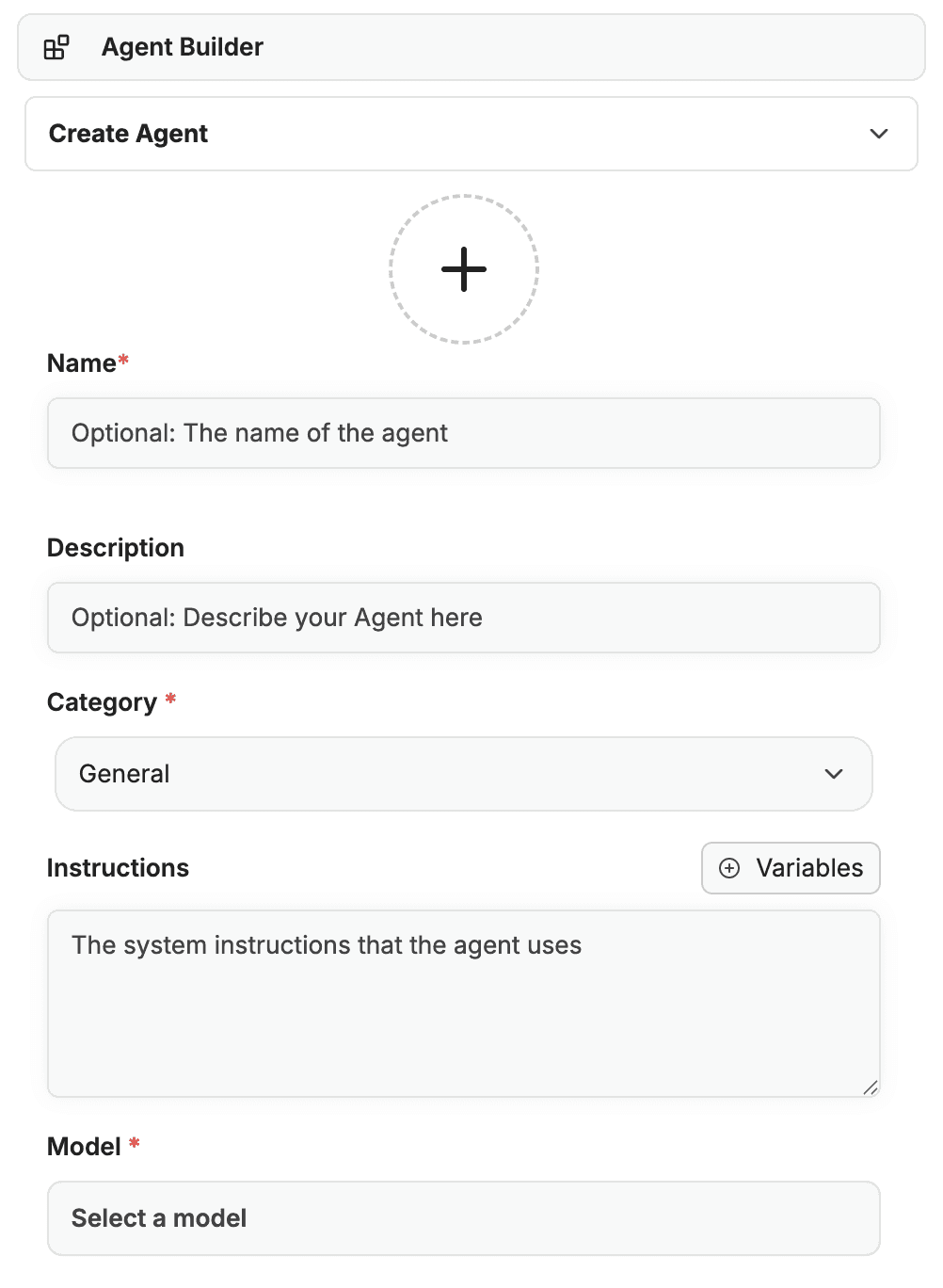
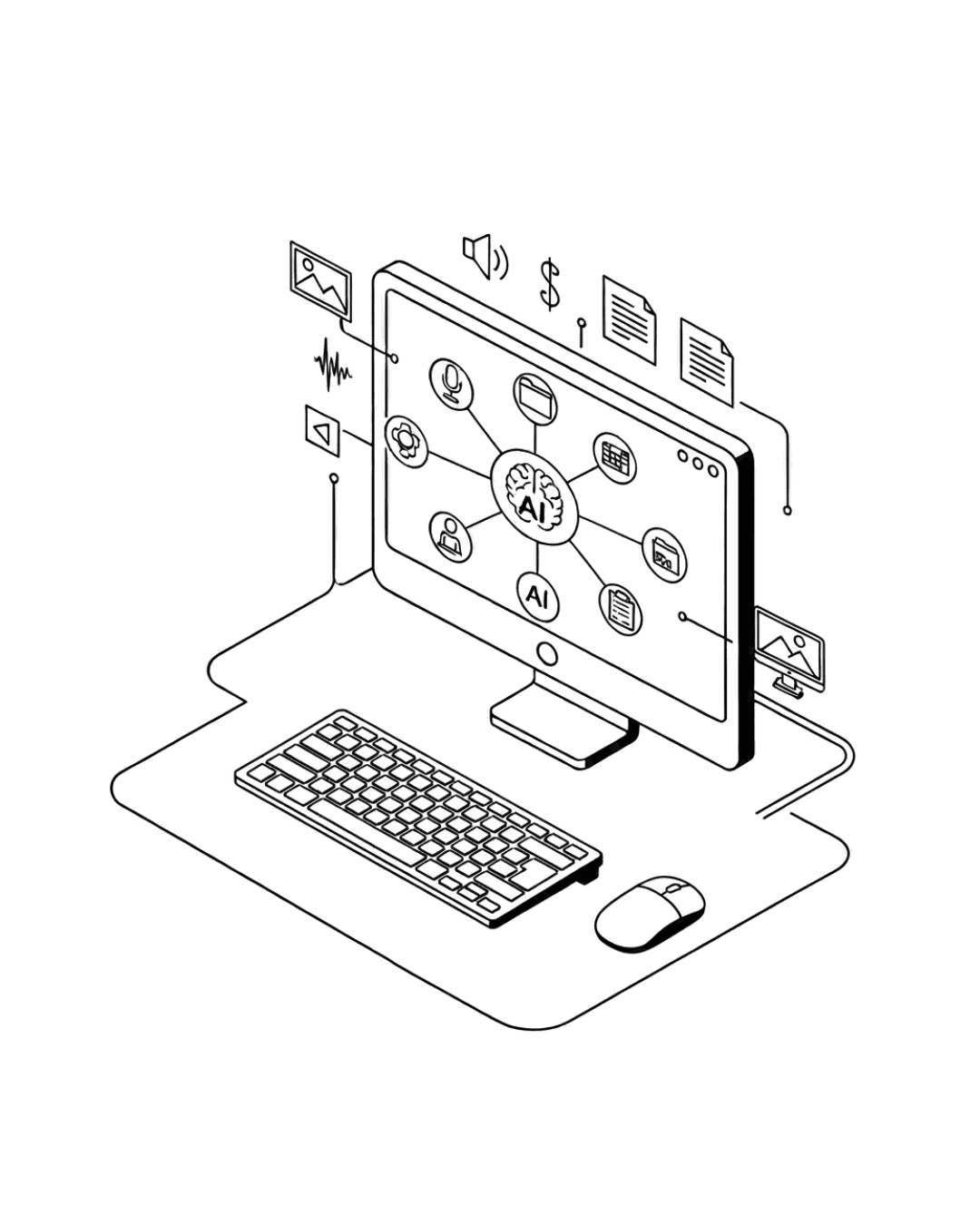
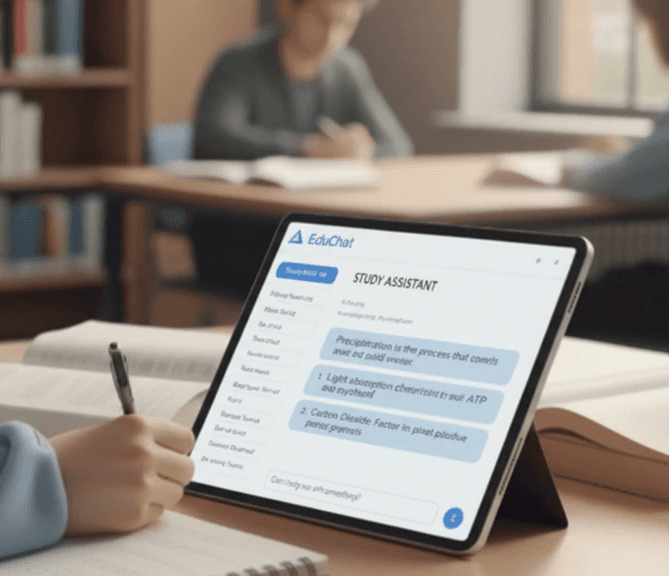
EduChat is a unified, education-focused AI platform that gives all staff and teachers secure access to leading models across the school system while running entirely on the client’s Azure environment for full FERPA alignment and data privacy. The platform is white-labeled and deployed on the institution’s own domain, allowing it to appear as an internal tool that increases trust, adoption, and seamless integration with existing systems. It also includes purpose-built education features such as memories, temporary chats, team chat sharing, and collaboration tools tailored to real instructional and administrative workflows. Comprehensive training programs and usage dashboards provide the organization with system-wide enablement and governance, helping them lead in AI adoption while maintaining security and cost control.