The Opportunity
The client’s teams were spending significant time manually creating technical implementation guides for every new client, work that required specialized knowledge of HL7, APIs, test cases, and integration flows. The volume of engagements outpaced team capacity, restricting onboarding velocity and increasing operational cost.
Key Challenges
Manual creation of implementation plans required technical specialists, making it costly and difficult to scale.
Documentation cycles often took multiple days, delaying onboarding and forcing limits on new client throughput.
Standard templates still required heavy customization, adding rework and inconsistency across teams.
Leaders were asked to hire additional staff solely to keep up with documentation demand—an investment they preferred to avoid.
The Process
Step 1: Exploration
Mapped existing documentation workflows, integration templates, data requirements, and stakeholder pain points.
Step 2: Solution Blueprint
Defined the automation approach, data structures, agent workflows, branding rules, and integration requirements.
Step 3: Build
Developed the multi-agent system, grounding tools, document-generation engine, and cloud deployment architecture.
Step 4: Deployment & Configuration
Implemented the platform in production, connected necessary systems, and optimized outputs for accuracy and branding.
Step 5: Training & Rollout
Enabled teams to operate, refine, and continuously improve the system; supported expansion to broader onboarding teams.
The Opportunity
The client’s teams were spending significant time manually creating technical implementation guides for every new client, work that required specialized knowledge of HL7, APIs, test cases, and integration flows. The volume of engagements outpaced team capacity, restricting onboarding velocity and increasing operational cost.
Key Challenges
Manual creation of implementation plans required technical specialists, making it costly and difficult to scale.
Documentation cycles often took multiple days, delaying onboarding and forcing limits on new client throughput.
Standard templates still required heavy customization, adding rework and inconsistency across teams.
Leaders were asked to hire additional staff solely to keep up with documentation demand—an investment they preferred to avoid.
The Process
Step 1: Exploration
Mapped existing documentation workflows, integration templates, data requirements, and stakeholder pain points.
Step 2: Solution Blueprint
Defined the automation approach, data structures, agent workflows, branding rules, and integration requirements.
Step 3: Build
Developed the multi-agent system, grounding tools, document-generation engine, and cloud deployment architecture.
Step 4: Deployment & Configuration
Implemented the platform in production, connected necessary systems, and optimized outputs for accuracy and branding.
Step 5: Training & Rollout
Enabled teams to operate, refine, and continuously improve the system; supported expansion to broader onboarding teams.
The Opportunity
The client’s teams were spending significant time manually creating technical implementation guides for every new client, work that required specialized knowledge of HL7, APIs, test cases, and integration flows. The volume of engagements outpaced team capacity, restricting onboarding velocity and increasing operational cost.
Key Challenges
Manual creation of implementation plans required technical specialists, making it costly and difficult to scale.
Documentation cycles often took multiple days, delaying onboarding and forcing limits on new client throughput.
Standard templates still required heavy customization, adding rework and inconsistency across teams.
Leaders were asked to hire additional staff solely to keep up with documentation demand—an investment they preferred to avoid.
The Process
Step 1: Exploration
Mapped existing documentation workflows, integration templates, data requirements, and stakeholder pain points.
Step 2: Solution Blueprint
Defined the automation approach, data structures, agent workflows, branding rules, and integration requirements.
Step 3: Build
Developed the multi-agent system, grounding tools, document-generation engine, and cloud deployment architecture.
Step 4: Deployment & Configuration
Implemented the platform in production, connected necessary systems, and optimized outputs for accuracy and branding.
Step 5: Training & Rollout
Enabled teams to operate, refine, and continuously improve the system; supported expansion to broader onboarding teams.
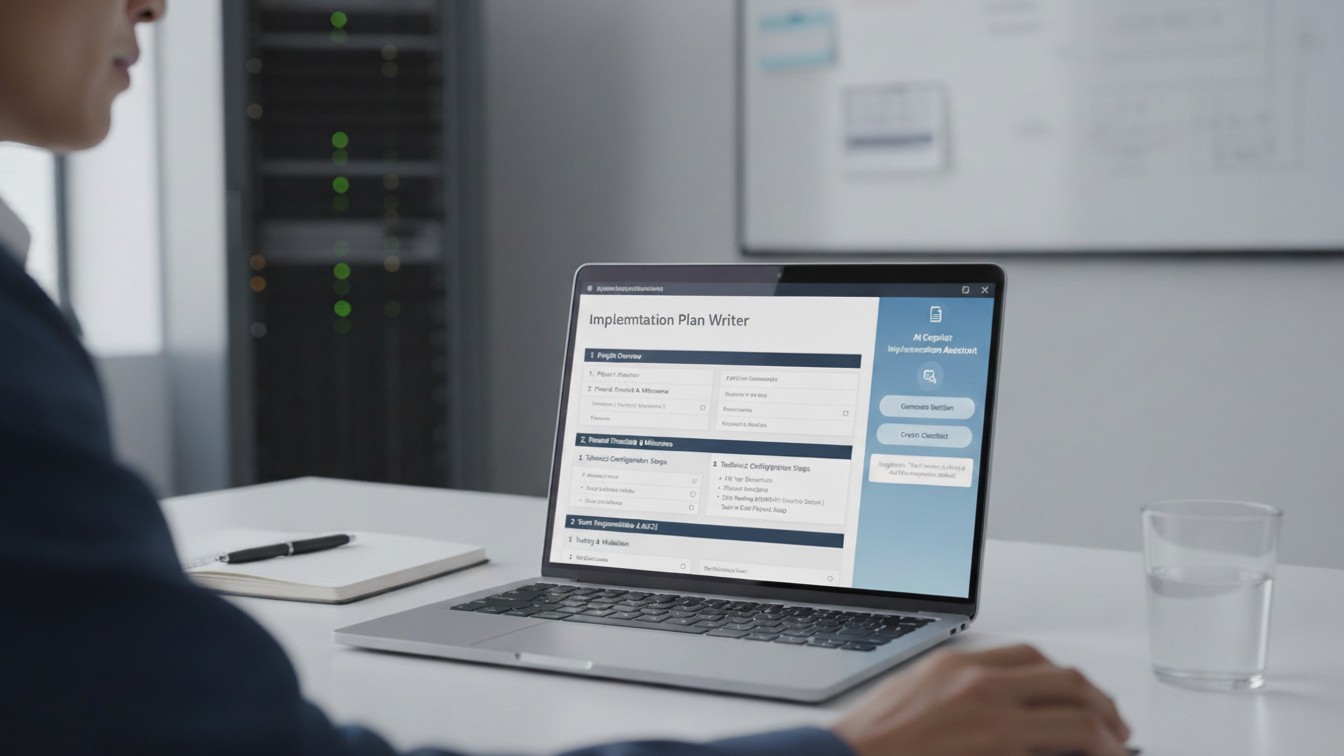
Our Solution
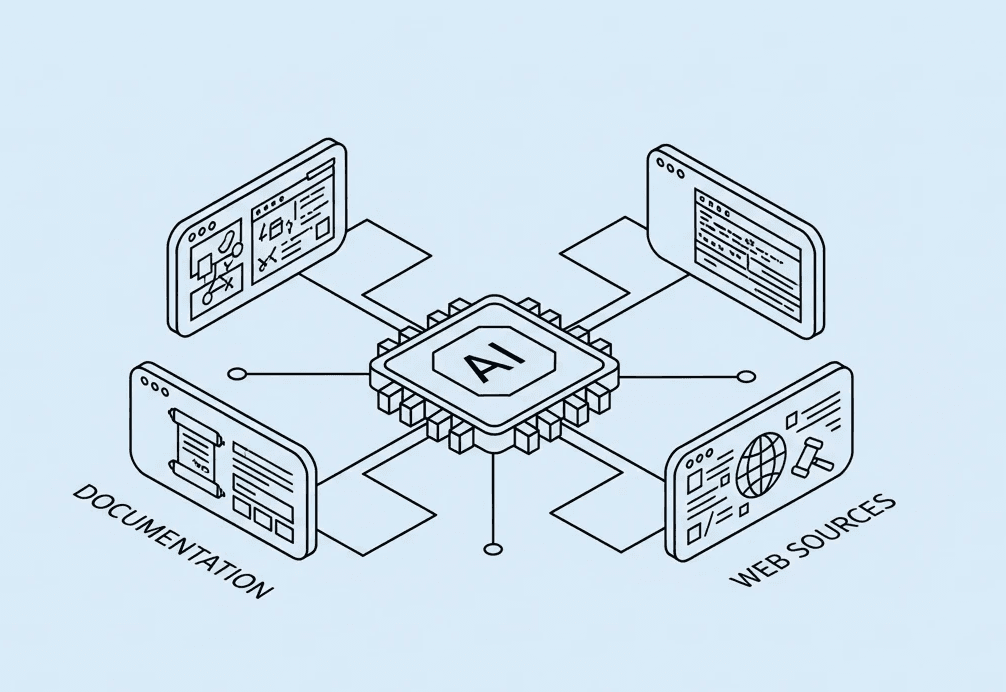
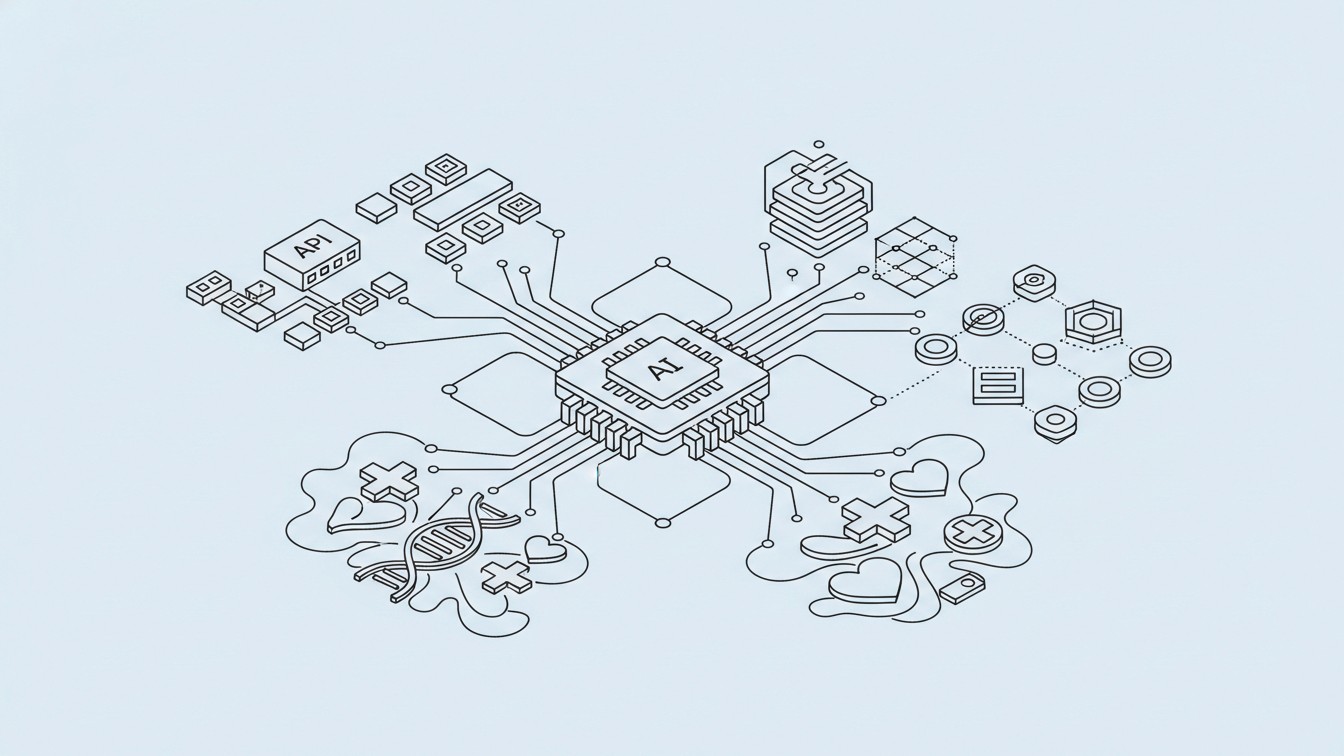
Ajaia built an AI-driven implementation plan writer that ingests client details and instantly generates a complete, professionally formatted integration guide—including diagrams, test plans, configuration steps, and technical requirements. The platform includes secure data handling, branding adherence, web-grounding for external reference checks, and automated publishing to Google Drive and Word. Teams can configure prompts, refine templates, and manage domain knowledge directly through the platform.